
The use of DSM by translators
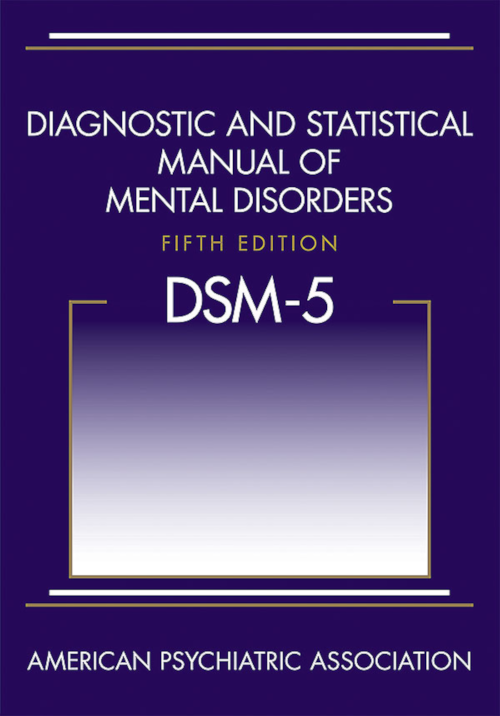
Translating texts and books in the field of psychology and psychiatry is a difficult process that requires accuracy, specialized knowledge and attention to detail. One of the most important tools that a Greek translator of psychiatric texts must use is the latest edition of the DSM (Diagnostic and Statistical Manual of Mental Disorders – DSM) in both the original language and in Greek.
What is DSM?
DSM is a manual published by the American Psychiatric Association (APA) that provides a widely accepted classification of mental disorders. It contains detailed descriptions of the classification and diagnostic criteria for mental disorders. In Greek it is called “Διαγνωστικό και Στατιστικό Εγχειρίδιο Ψυχικών Διαταραχών” and is published in its fifth edition by Litsa Publications in a translation by K. Gotzamanis (2015). It contains detailed descriptions of the classification and diagnostic criteria for mental disorders – essential information for understanding them.
Why is DSM important for translators?
Accuracy in translating diagnoses: Using the DSM allows the translator to accurately render the terms and diagnoses mentioned in a text. These diagnoses are often complex and are linked to specific criteria, which must be rendered correctly in order to maintain the scientific validity of the text.
Uniformity in terminology: The DSM provides a common vocabulary used worldwide in psychiatry and psychology. By using it, the translator ensures that the terminology remains consistent and understandable for both professionals and academics who will use the translated material.
Cultural sensitivity: Translating psychological and psychiatric texts requires attention to cultural sensitivity and language management in a manner that is adapted to the cultural context of the target language. The DSM provides the grounds for adapting these terms and concepts to maintain their meaning in the context of the culture into which the text is being translated.
Understanding pathology: Translators who are familiar with the textbook are able to better understand the pathological conditions described in the texts. This allows them to more accurately and consistently convey mental health concepts.
Professionalism and credibility: The use of the DSM demonstrates the translator’s professionalism and ability to handle specialized texts. Mental health professionals rely on accurate translation to understand and apply the knowledge provided by the literature, and the use of the DSM helps to build this trust.
It is worth noting that the English version of the DSM-5 contains 947 pages, while the Greek version has only 394 pages. This is due to the fact that the Greek version does not contain the second section of the English manual entitled “Emerging Measures and Models” nor the Appendix with the glossaries of technical terms and cultural concepts, the alphabetical and numerical lists, etc.
Translating psychology and psychiatry texts requires not only linguistic ability but also a deep understanding of the subject. The use of the DSM as a reference tool is necessary to ensure accuracy, consistency and reliability in the translation. In this way, translators can offer high-quality services that will help disseminate knowledge and support mental health professionals worldwide.